What is Curry? Traditional Thai Food Reflecting Wisdom and Cultural Flavors
When it comes to Thai food, the first thing that many people think of is “curry”. Curry is not just a long-time staple in Thai kitchens, but also a reflection of the uniqueness of the culture and the traditional use of local herbs. Many may ask, “What is curry?” This article will help you get to know the meaning, history, varieties, and health benefits of Thai curry in detail.
Table of Contents
What is Curry?
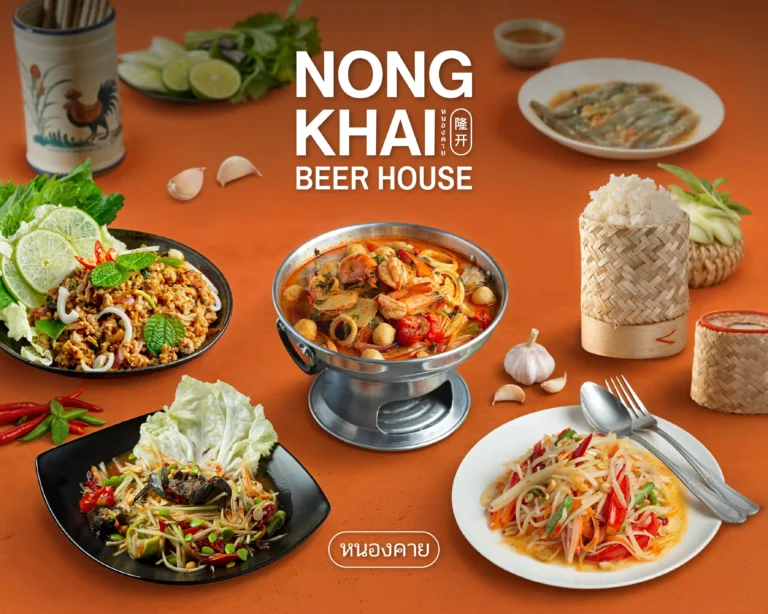
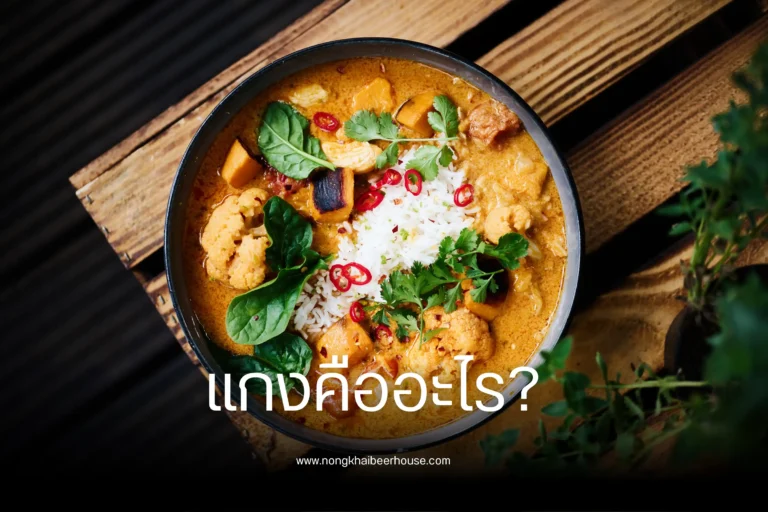
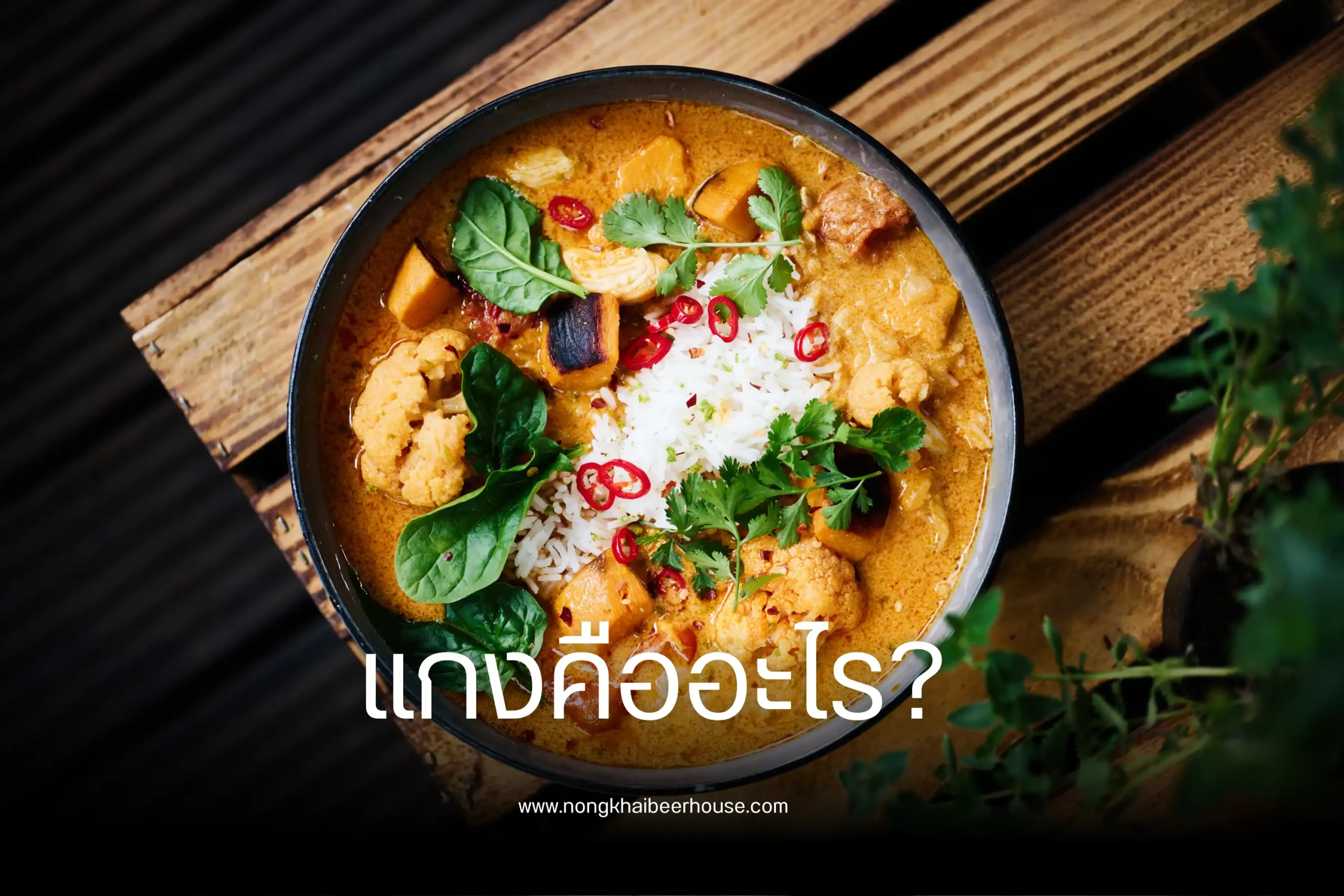
Curry is a traditional Thai dish made by simmering ingredients with water or coconut milk, seasoned with herbs, curry pastes, and various ingredients to create a rich, fragrant, and distinctive flavor. Curry is the heart of Thai cooking, including varieties like spicy curry, green curry, sour curry, herbal curry, and massaman curry, among others.
History of Thai Curry
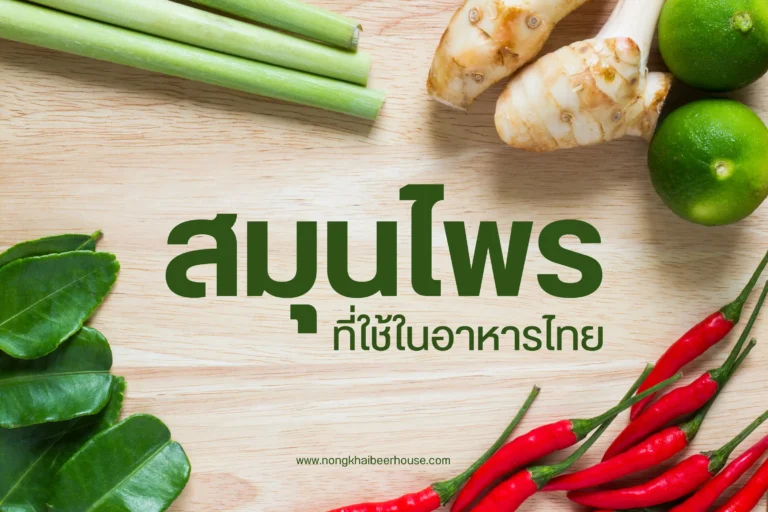
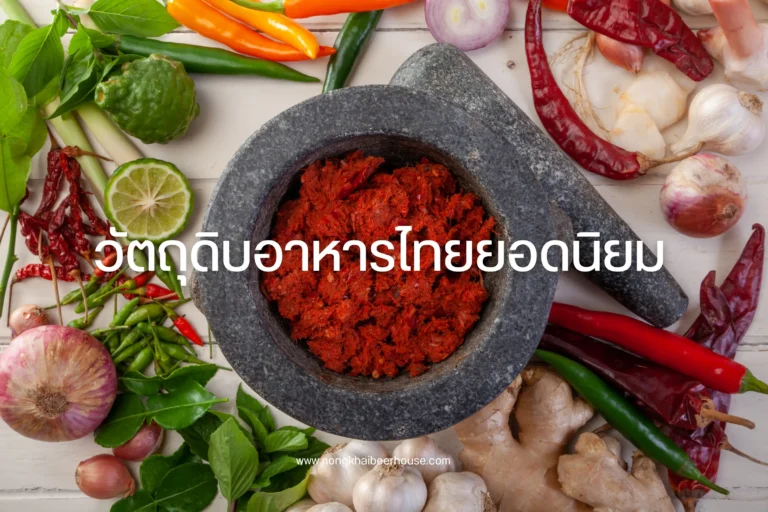
Thai curry has its roots in the use of local herbs such as lemongrass, galangal, ginger, chili, and kaffir lime leaves. These herbs not only enhance the flavor but also have medicinal properties that promote health. Curry also reflects the fusion of culinary influences from neighboring countries like India, China, and Malaysia, which have been adapted using local Thai ingredients.
Popular Types of Thai Curry
- Spicy Curry (Gaeng Phet) – A bold, fiery curry known for its intense heat and depth of flavor. Often made with red curry paste, coconut milk, meat (such as pork or chicken), and a variety of vegetables.
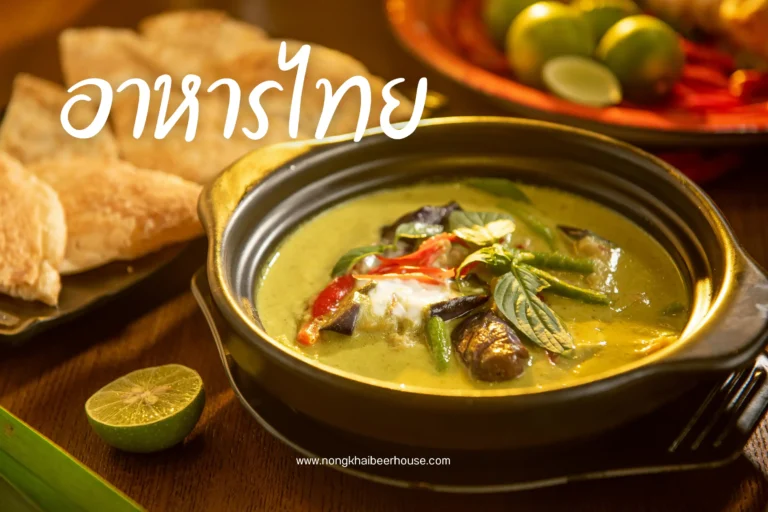
- Green Curry (Gaeng Keow Wan) – Made with fresh green chilies and herbs, this curry has a vibrant green color and a fragrant coconut milk base. It’s typically cooked with chicken, fish balls, or eggplant.
- Sour Curry (Gaeng Som) – A light, broth-based curry with a tangy and spicy flavor. Commonly made with tamarind, vegetables, and fish or shrimp. Unlike other Thai curries, it contains no coconut milk.
- Herbal Curry (Gaeng Liang) – An ancient, highly nutritious curry made with Thai herbs and vegetables. It’s known for its natural heat from black pepper and its health-boosting properties.
- Massaman Curry – A rich and mildly spicy curry influenced by Indian and Persian cuisine. It features warming spices like cinnamon, cardamom, and cloves, combined with coconut milk, potatoes, peanuts, and usually beef or chicken.
Nutritional Value and Health Benefits of Curry
- Protein from meat, fish, or shrimp.
- Vitamins and minerals from various vegetables.
- Thai herbs like galangal, lemongrass, and kaffir lime leaves, which help expel gas and reduce inflammation.
- Energy from coconut milk and rice, which are commonly served alongside curry.
Eating curry not only satisfies your hunger but also nourishes your body and showcases the wisdom of using natural ingredients in perfect harmony.
Tips for Making Delicious Curry
- Choose fresh ingredients.
- Grind the curry paste yourself to enhance the aroma and flavor.
- Simmer on low heat to allow the flavors to infuse into the meat.
- Taste and adjust the seasoning gradually.
Curry and Thai Culture
Curry is a staple dish in every important meal for Thai people, from religious ceremonies and banquets to family meals. The flavor of curry also reflects regional identities, such as spicy fish curry and yellow curry from the south, or Hang Lay curry from the north.
Conclusion
Curry is a Thai dish that boasts a variety of flavors and cultural significance. It not only reflects the ancient wisdom of Thai cuisine but also offers nutritional value and is popular both locally and internationally. If you want to experience authentic Thai food, curry is something you definitely should not miss.
Contact Us
- Locations
- Geylang Road Branch : 101 Geylang Rd, Singapore 389211
- Peninsula Plaza Branch : 111 North Bridge Rd, Singapore 179098
- Opening Hours : Open daily from 11:00 AM to 6:00 AM (next day)
- Phone : +65 8195 4137
- Facebook : Nong Khai Beer House
- Facebook : Nong Khai
- Instagram : Nong Khai Beer House