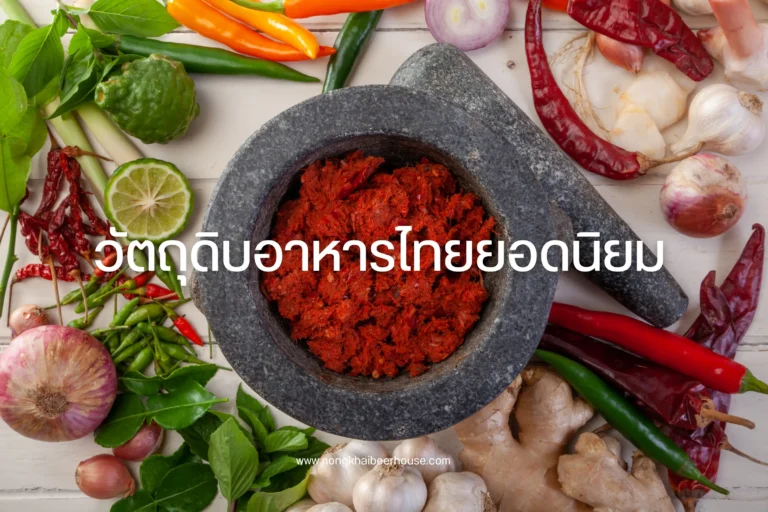
History of Thai Food
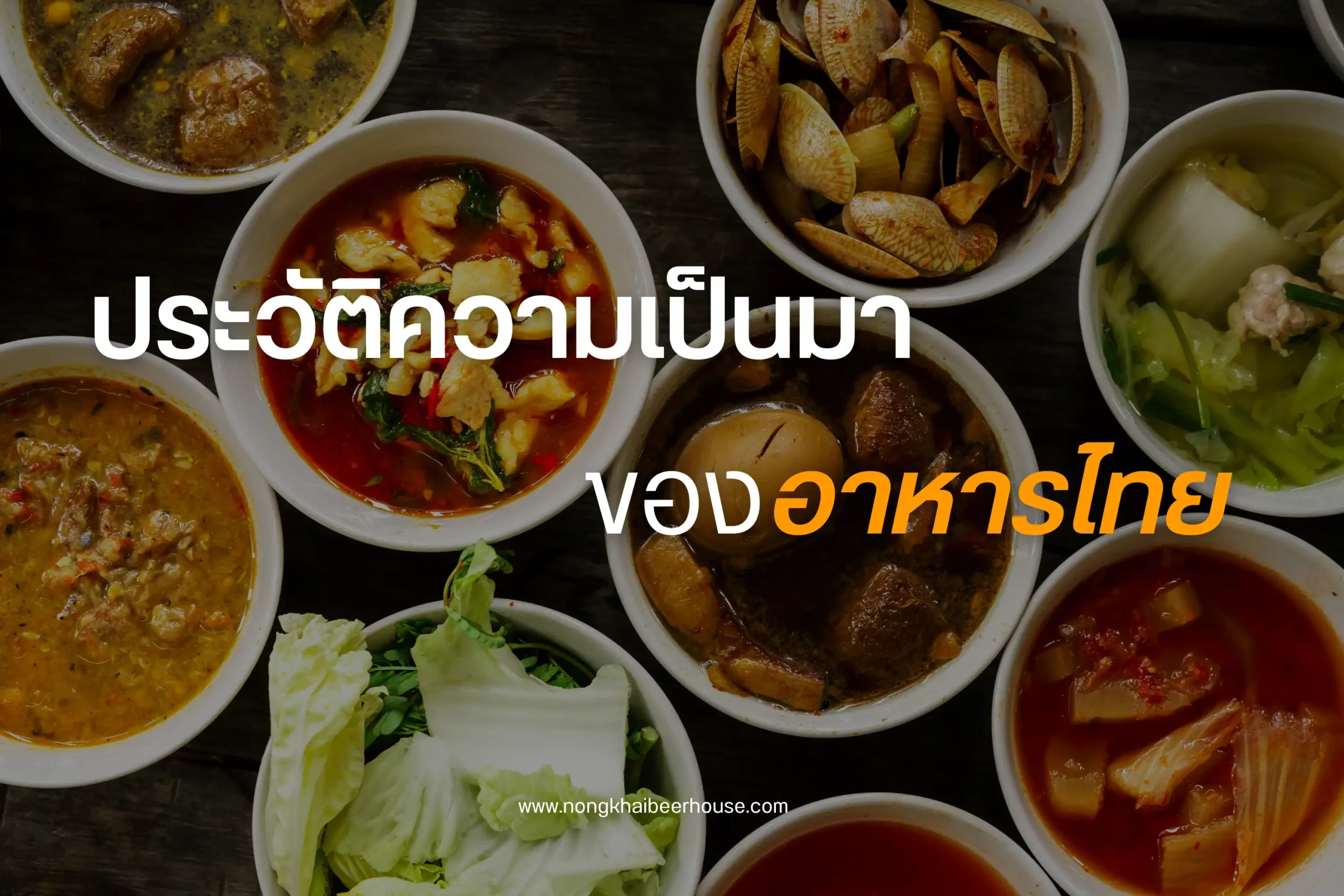
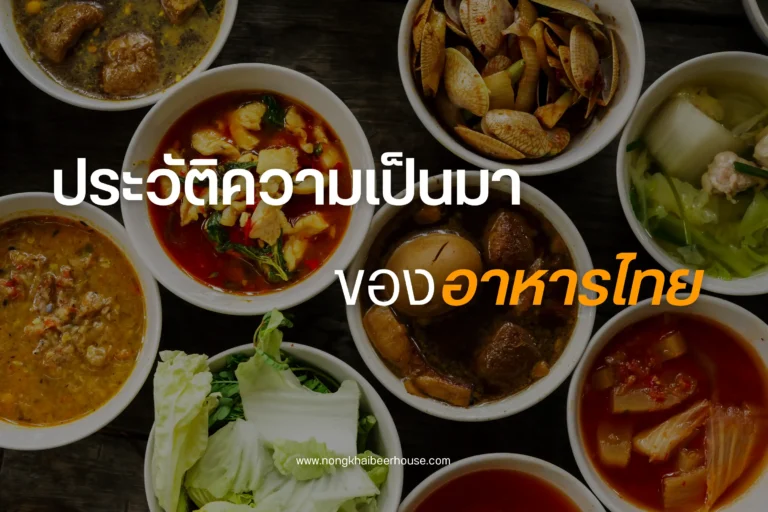
Thai food is not just famous for its delicious taste and global recognition, but it also reflects the history, culture, and lifestyle of the Thai people throughout various eras. From the Sukhothai period, which emphasized simplicity and used local ingredients, to the Ayutthaya and Rattanakosin periods, where foreign influences from China, India, Persia, and Europe merged, Thai food developed into a unique and well-rounded identity, becoming one of the most beloved cuisines worldwide.
Table of Contents
What is Thai Food?
Thai food is the art of balancing spicy, sour, sweet, salty, and creamy flavors in perfect harmony. With its bold identity and rich traditions, Thai cuisine has become one of the most celebrated culinary cultures in the world. However, it didn’t become the Thai food we know today overnight. It evolved over time through cultural exchanges and culinary innovations spanning many generations.
The Origins of Thai Food
Thai food is rooted in the agricultural lifestyle and the abundant natural resources available. Traditional Thai people grew rice, vegetables, and herbs, and sourced meat and fish from local water sources. This made Thai food fresh, diverse, and rich in flavors.
Additionally, Thai cuisine was influenced by neighboring countries, such as
- China → Noodles, stir-frying, deep-frying
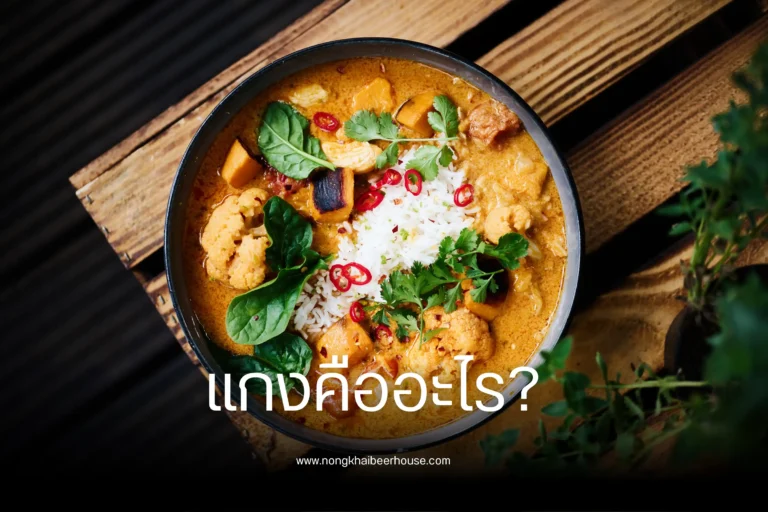
- India → Spices, curry
- Persia & Arabs → Aromatic spices, pilaf
- The West → Baked goods, fruits, and imported ingredients
Evolution of Thai Food Through the Ages
1. Sukhothai Era
- Focused on rice as the staple food (white rice in the central region, sticky rice in the north and northeast)
- Used local ingredients like fish, vegetables, and herbs
- Simple dishes but with fresh, vibrant flavors, such as chili pastes and clear soups
2. Ayutthaya Era
- This period saw the flourishing of trade and heavy foreign influence on Thai food
- Ingredients like coconut milk, palm sugar, and spices became more prevalent
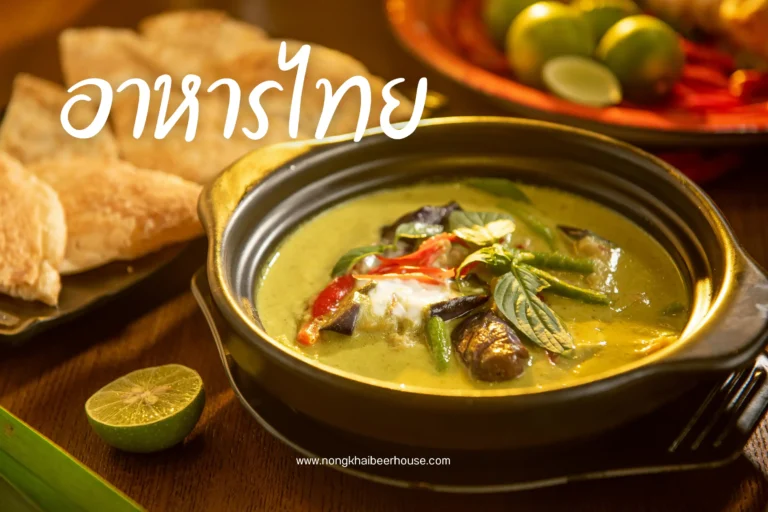
- Dishes that emerged during this era include Green Curry, Massaman Curry, and Thong Yip (golden egg threads) (influenced by the Portuguese)
3. Rattanakosin Era
- Thai food became more diverse and refined
- There was a blending of traditional Thai dishes with influences from abroad
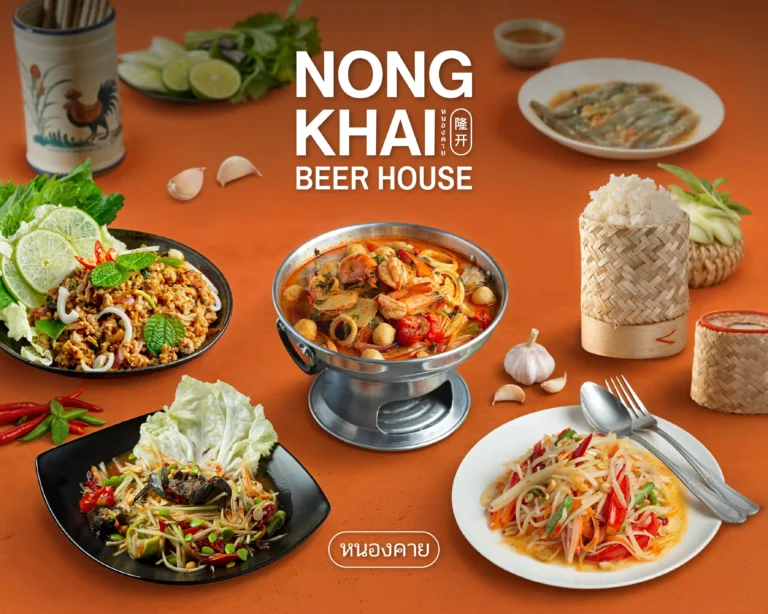
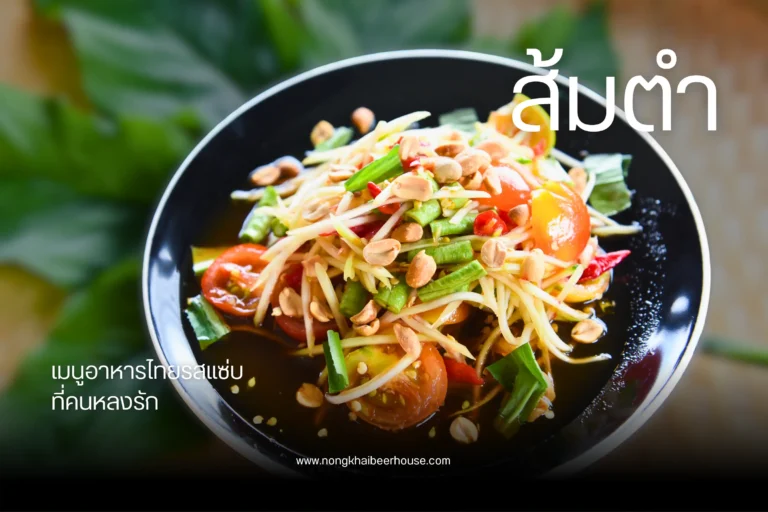
- Dishes we know today, such as Tom Yum Goong (Spicy Shrimp Soup), Pad Thai, and Som Tum (Papaya Salad), were developed during this period
Key Features of Thai Food Passed Down Through Generations
- Perfectly Balanced Flavors – Spicy, sour, salty, and sweet in one dish.
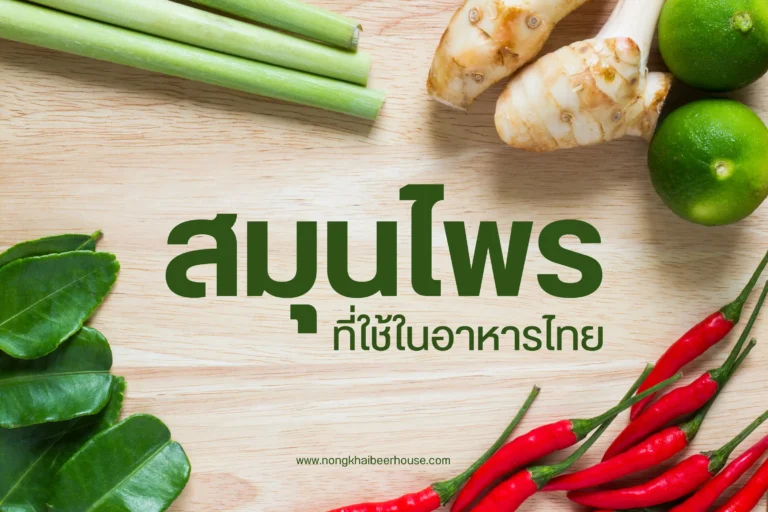
- Fresh Herbs – The use of lemongrass, galangal, kaffir lime leaves, garlic, and chilies.
- Diversity – Each region has its unique identity, such as northern, northeastern, and southern Thai food.
- Cultural Significance – Thai food is not just about eating, but also reflects Thai lifestyle and traditions.
Thai Food on the Global Stage
- Thai food is consistently ranked among the Top 10 Best Cuisines in the World by various publications.
- Popular dishes such as Tom Yum Goong, Pad Thai, Som Tum, and Green Curry are well-known globally.
- There are more than 30,000 Thai restaurants worldwide.
- The “Thai Select” program, launched by the Thai government, promotes Thai cuisine internationally.
Conclusion
The history of Thai food shows that it did not come to be in a single moment. It developed through cultural exchange and blending with foreign influences, which has made it a unique and distinct cuisine. Every Thai dish reflects history, lifestyle, and creativity, and that’s why Thai cuisine has gained worldwide recognition.
Contact Us
- Locations
- Geylang Road Branch : 101 Geylang Rd, Singapore 389211
- Peninsula Plaza Branch : 111 North Bridge Rd, Singapore 179098
- Opening Hours : Open daily from 11:00 AM to 6:00 AM (next day)
- Phone : +65 8195 4137
- Facebook : Nong Khai Beer House
- Facebook : Nong Khai
- Instagram : Nong Khai Beer House